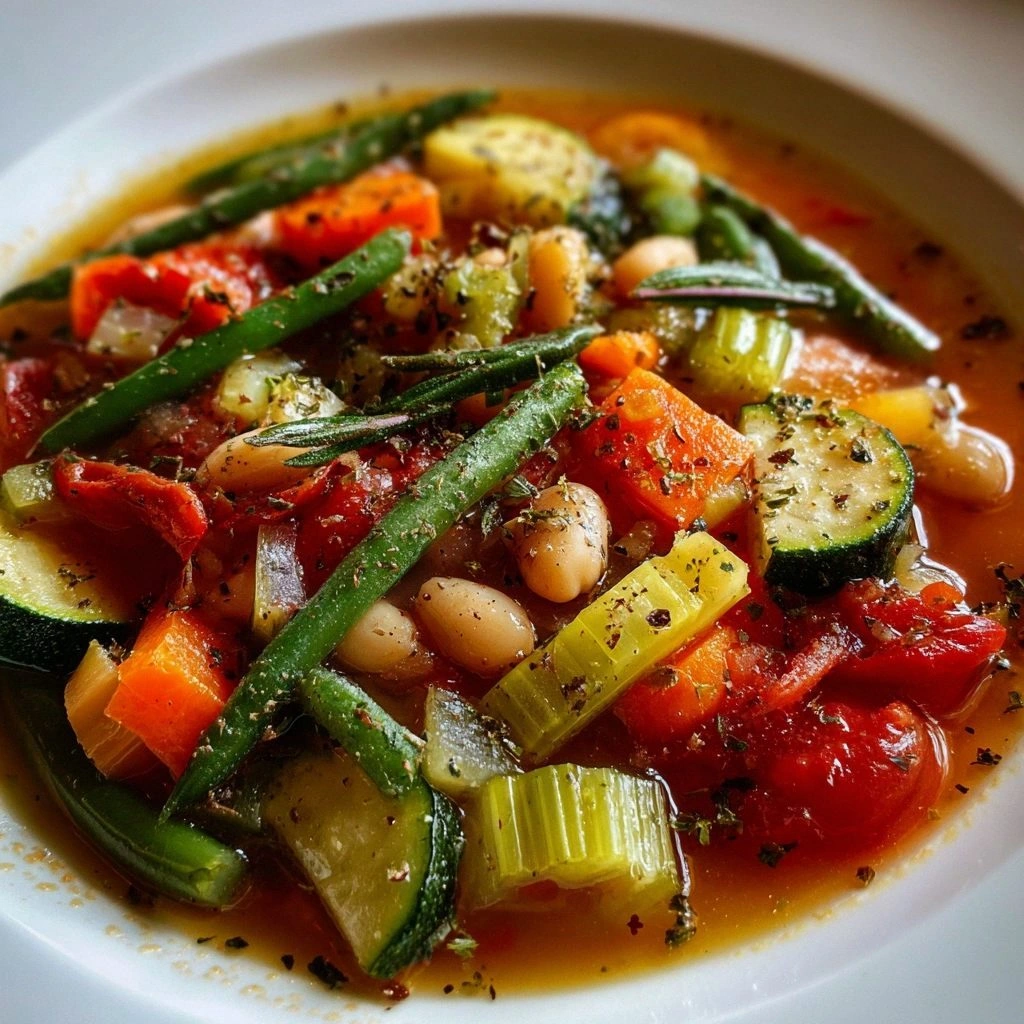
I was halfway through a midnight snack, scrolling through recipes that promised “quick and healthy,” when my phone buzzed with a notification from a friend: “Dude, you have to try this sautéed veggies thing I just found!” I opened the link, and the first thing that hit me was the promise of a dish that could turn any bland dinner into a vibrant, flavor-packed experience. The image showed a rainbow of vegetables sizzling in a pan, the air thick with the aroma of garlic and olive oil. I could almost hear the sizzle, feel the heat radiating from the skillet, taste the faint sweetness of caramelized onions, and imagine the crunch of snap peas. It was the kind of visual and sensory assault that turns a simple cooking session into a full‑blown performance.
I was skeptical at first—how could a handful of vegetables be anything more than a side dish? But the recipe’s twist was simple: a secret blend of lemon juice, balsamic vinegar, and toasted nuts that transforms ordinary veggies into a dish that practically sings. The first bite was a burst of bright citrus balanced by the deep umami of the vinegar, followed by the nutty crunch that left a lingering, satisfying aftertaste. I tasted it and immediately realized I was holding the key to a dinner that could stand alone or complement anything from grilled chicken to tofu. That moment, when the flavors collided, was the turning point that turned a casual dinner into an obsession.
Fast forward to the next week, and I’ve been telling everyone that this is hands down the best version you’ll ever make at home. I dare you to taste this and not go back for seconds. If you’re looking for a dish that’s simple, packed with nutrients, and absolutely unforgettable, you’ve just hit the jackpot. This isn’t just another sautéed vegetable recipe; it’s a game‑changer that elevates the humble pan to a stage for flavor fireworks.
Let me walk you through every single step—by the end, you’ll wonder how you ever made it any other way. I’ll share the secrets that make the veggies pop, the timing that keeps them crisp, and the little tricks that add depth and character. If you’ve ever struggled to keep sautéed veggies from turning mushy or flavorless, you’re not alone— and I’ve got the fix. Stay with me here—this is worth it.
What Makes This Version Stand Out
- Bold Flavor: The combination of lemon juice and balsamic vinegar creates a bright, slightly sweet acidity that cuts through the earthiness of the vegetables, delivering a taste that’s both refreshing and indulgent.
- Texture Contrast: The quick sear locks in the natural crunch of snap peas and carrots while the toasted nuts add a satisfying snap, preventing the dish from becoming soggy.
- Ingredient Quality: Using fresh, seasonal produce guarantees that each bite is bursting with natural sugars and nutrients, turning the dish into a healthful powerhouse.
- Simple Method: The recipe requires only a single pan, minimal prep, and a handful of ingredients, making it perfect for busy weeknights or lazy weekends.
- Versatility: The dish works as a side, a main when paired with protein, or a topping for grain bowls, making it adaptable to any meal plan.
- Make‑Ahead Potential: The flavors deepen when the dish sits, so you can prep it ahead of time and reheat for a quick dinner later.
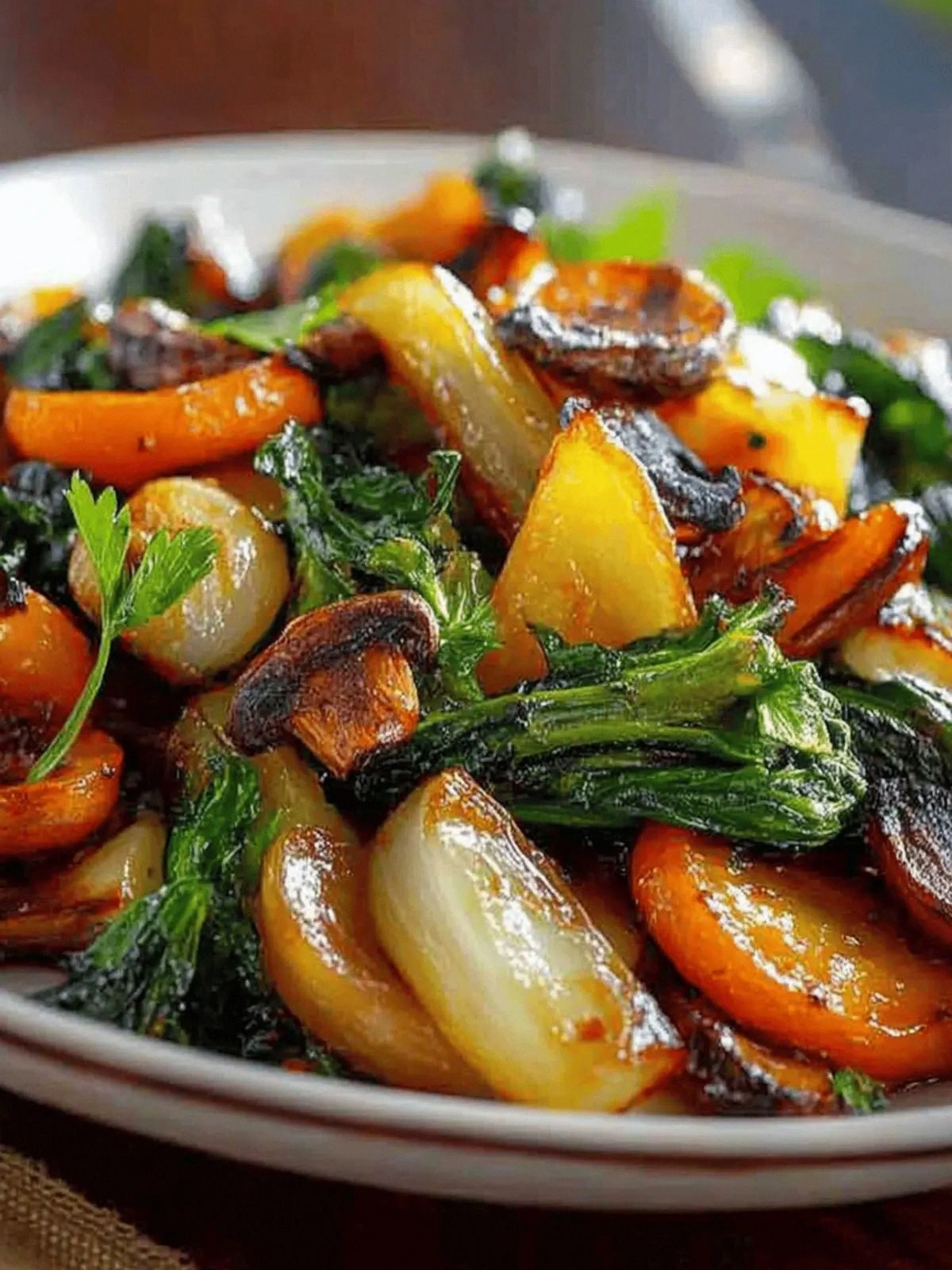
- Visual Appeal: The vibrant colors of bell pepper, zucchini, broccoli, and snap peas create a plate that looks as good as it tastes, making it a crowd‑pleaser at dinner parties.
- Balanced Nutrition: With a low calorie count, high protein from parmesan and nuts, and a healthy dose of fiber and vitamins, the dish aligns with most dietary goals.
Alright, let’s break down exactly what goes into this masterpiece…
Inside the Ingredient List
The Flavor Base
Olive oil is the canvas that brings all the flavors together. It’s not just a cooking medium; it carries the subtle nuttiness that pairs beautifully with the citrusy lemon juice. Garlic, minced finely, releases its aromatic oils, creating a fragrant foundation that elevates every bite. Onions, sliced thin, caramelize slowly, adding a sweet depth that balances the acidity of the lemon and vinegar. If you skip any of these, the dish loses its aromatic backbone and becomes a bland, watery affair.
The Texture Crew
Broccoli florets, zucchini ribbons, and carrot sticks are chosen for their complementary textures. Broccoli provides a hearty bite, zucchini offers a silky smoothness, and carrots add a firm crunch that holds up under heat. Snap peas, with their natural snap, deliver a refreshing pop that interrupts the chew. Mushrooms absorb the flavors like sponges, adding umami and a meaty texture that makes the dish feel substantial. If you omit any of these, you’ll miss a key textural component that keeps each bite exciting.
The Unexpected Star
Toasted nuts or seeds—pistachios, almonds, or sunflower seeds—bring a nutty crunch and a protein punch. Their toasted flavor adds a layer of complexity that’s missing in plain sautéed veggies. The nuts also help to keep the vegetables from sliding around in the pan, creating a more controlled cooking environment. If you skip the nuts, the dish will feel lighter but will lack that satisfying, savory crunch.
The Final Flourish
Fresh herbs—parsley, basil, or cilantro—are added at the very end to preserve their bright, green flavor. A squeeze of lemon juice brightens the dish and balances the richness of the olive oil and nuts. Balsamic vinegar or soy sauce provides a sweet, tangy depth that anchors the flavors. Grated parmesan adds a salty, nutty finish that rounds out the taste profile. If you leave out any of these finishing touches, the dish will feel incomplete, as if something essential is missing.
Everything’s prepped? Good. Let’s get into the real action…
The Method — Step by Step
- Heat the pan: Place a large skillet over medium‑high heat and let it get hot enough that a drop of water sizzles and evaporates almost instantly. This high temperature is critical for that beautiful caramelization on the veggies. Once the pan is ready, add the olive oil and swirl to coat the bottom evenly. The oil should shimmer but not smoke—if it starts to smoke, lower the heat a notch. This step sets the stage for the rest of the dish.
- Introduce the aromatics: Add the minced garlic and sliced onion to the pan. Let them sauté for 1‑2 minutes until the onion becomes translucent and the garlic releases its fragrance. Watch for that golden edge on the onion; it’s a sign you’re on the right track. Stir once to prevent sticking, but don’t over‑mix—allow each piece to develop its own flavor profile. The aroma should be intoxicating, drawing you closer to the stove.
- Layer the veggies: Toss in the broccoli, zucchini, carrot, snap peas, and mushrooms. Spread them out in a single layer so they all get equal exposure to the heat. Let them cook undisturbed for 3 minutes before stirring. This brief pause lets the edges brown nicely. Once you stir, the vegetables should emit a toasty scent that makes your mouth water. The key is to keep the pan at a steady medium‑high heat to avoid steaming.
- Season and deglaze: Sprinkle in a pinch of salt and pepper, then pour in the lemon juice and balsamic vinegar. Stir quickly to coat every surface, then let the mixture reduce slightly, concentrating the flavors. The liquid should bubble and thicken into a glossy glaze that clings to the veggies. This is the moment where the dish transforms from plain to sensational. Keep the heat steady; if it drops, the glaze will thin out and the veggies will release excess moisture.
- Add the nuts: Sprinkle the toasted nuts or seeds over the vegetables. Stir them in gently so they distribute evenly. The nuts add a nutty crunch and a protein boost that balances the dish’s texture. They also help to absorb any excess liquid, keeping the veggies crisp. If you prefer a milder nut flavor, you can use a smaller amount or choose a lighter toasted variety.
- Finish with herbs and cheese: Reduce the heat to low, then add the fresh herbs and grated parmesan. Stir until the cheese melts into a silky coating that clings to each vegetable. The herbs should release their bright green aroma, creating a fragrant finale. Let the mixture cook for an additional 30 seconds, then remove from heat. The dish should look glossy, with a vibrant color palette that’s impossible to ignore.
- Plate and serve: Transfer the sautéed vegetables to a serving bowl or platter. Garnish with an extra sprinkle of nuts or herbs if desired. Serve immediately while the vegetables are hot and the cheese is still slightly molten. This dish pairs beautifully with a protein of your choice or can stand alone as a wholesome, vegetarian main. The first bite should be a symphony of textures and flavors that keeps you coming back for more.
- Optional: Add a splash of water for leftovers: If you’re reheating, add a tiny splash of water before microwaving to steam the vegetables back to their original crispness. This trick keeps the dish from drying out and preserves its vibrant colors. A quick stir and a few minutes of heat, and you’re back to a fresh‑from‑pan experience.
That's it — you did it. But hold on, I've got a few more tricks that'll take this to another level…
Insider Tricks for Flawless Results
The Temperature Rule Nobody Follows
Many cooks think medium heat is sufficient, but sautéing at the right temperature is the secret to crisp, caramelized veggies. Keep the skillet at a steady medium‑high heat, and test it with a single drop of water. If it dances and evaporates instantly, you’re good. This ensures the vegetables sear quickly, locking in moisture and flavor. If you’re using a non‑stick pan, be careful not to overheat it, as the coating can degrade over time.
Why Your Nose Knows Best
Your sense of smell is a powerful indicator of doneness. When the onions and garlic release a rich, nutty aroma and the vegetables emit a faintly sweet, toasted scent, the dish is at its peak. If the scent is metallic or burnt, reduce the heat immediately. Your nose is the best judge of whether the veggies are ready to move to the next step.
The 5‑Minute Rest That Changes Everything
After the final stir, let the pan sit covered for 5 minutes before plating. This resting period allows the flavors to meld and the heat to distribute evenly, ensuring each bite is balanced. It also gives the cheese time to set into a silky coating, enhancing the overall mouthfeel. Skip this step, and you’ll miss the subtle depth that makes the dish memorable.
Add a Touch of Sweetness
If you’re craving a sweeter profile, drizzle a teaspoon of honey or maple syrup over the veggies just before adding the lemon juice. The natural sugars caramelize during the sauté, adding a glossy finish and a subtle caramel note that pairs beautifully with the balsamic. This tweak is especially effective in winter months when you want a comforting, sweet‑savory balance.
Use a Splatter Guard
A splatter guard not only keeps the kitchen cleaner but also helps maintain a steady temperature. When hot oil splatters, it can cool the pan and cause uneven cooking. By preventing splatter, you keep the heat consistent, ensuring the vegetables sear properly. This simple tool can elevate your sautéing game instantly.
With these insider tricks, you’ll consistently achieve a sauté that’s crisp, flavorful, and visually stunning. The next time you cook, you’ll notice how each element works in harmony, creating a dish that feels like a well‑orchestrated performance.
Creative Twists and Variations
This recipe is a playground. Here are some of my favorite ways to switch things up:
Mediterranean Medley
Swap the balsamic vinegar for red wine vinegar and add chopped sun‑dried tomatoes, kalamata olives, and a sprinkle of oregano. Finish with crumbled feta for a tangy, salty finish that transports you straight to the Mediterranean coast.
Asian Fusion
Replace the olive oil with sesame oil, add a splash of rice vinegar, and toss in a handful of chopped fresh cilantro. Sprinkle toasted sesame seeds and finish with a drizzle of soy sauce or tamari. The result is a bright, savory dish that pairs wonderfully with rice or noodles.
Spicy Cajun Kick
Season the veggies with Cajun spice blend before sautéing. Add a pinch of crushed red pepper flakes for heat, and finish with a splash of lime juice. The smoky, spicy notes give the dish a bold, Southern flair.
Protein‑Packed Power Bowl
Top the sautéed veggies with grilled tofu cubes or pan‑fried tempeh. Drizzle with a creamy tahini sauce and sprinkle with pumpkin seeds for extra crunch. This variation turns the dish into a complete, protein‑rich meal.
Fall Harvest
Incorporate roasted butternut squash cubes, dried cranberries, and a dash of maple syrup. Finish with a sprinkle of sage and a splash of apple cider vinegar. The sweet, earthy flavors make this version perfect for cooler seasons.
Feel free to experiment and let your taste buds guide you. The beauty of sautéed vegetables is that they’re forgiving and adaptable, so you can keep the dish fresh and exciting week after week.
Storing and Bringing It Back to Life
Fridge Storage
Store the sautéed vegetables in an airtight container in the refrigerator for up to 3 days. The crispness may slightly soften, but the flavors remain vibrant. When ready to eat, reheat on the stovetop over medium heat, adding a splash of water to create steam and restore moisture.
Freezer Friendly
For longer storage, freeze the vegetables in a single layer on a parchment‑lined tray, then transfer to a freezer bag. They’ll stay good for up to 2 months. Thaw overnight in the refrigerator before reheating, and add a bit of olive oil to revive the texture.
Best Reheating Method
The key to a successful reheat is a quick pan sear. Heat a splash of olive oil in a skillet over medium heat, add the thawed vegetables, and stir until heated through. Sprinkle a few drops of water or a splash of broth, cover, and let steam for 1‑2 minutes. This technique restores the dish’s original moisture and flavor profile.