It was a Wednesday night when the kitchen turned into a chaotic symphony of sizzling pans and aromatic spices, and I realized that my attempt at a classic chicken korma had turned into an edible disaster. The sauce had thickened into a gloopy mess, the chicken had browned unevenly, and the fragrant garam masala had been replaced by a vague, unsatisfying aroma. I stared at the pot, half‑satisfied with the mess, and thought, “Maybe I should just order takeout.” But then I remembered that my friend had dared me to make the ultimate version of this dish, and the challenge had been too tempting to ignore. That single moment of daring set the tone for what would become a culinary revelation that I cannot wait to share. Let me walk you through every single step — by the end, you'll wonder how you ever made it any other way.
Picture yourself pulling this out of the pot, the whole kitchen smelling incredible, and every bite delivering a velvety, slightly sweet, and perfectly balanced flavor that makes your taste buds sing. The sauce coats the chicken like silk, with a depth of aroma that feels like a warm hug. I dare you to taste this and not go back for seconds, because once you’ve had this, you’ll never settle for anything less. I’ll be honest — I ate half the batch before anyone else got to try it, and the kitchen was still humming with the lingering fragrance. Most recipes get this completely wrong; they either overcook the chicken or under‑season the sauce. The secret lies in the subtle dance of spices and the gentle simmer that lets every ingredient breathe. If you've ever struggled with this, you're not alone — and I've got the fix.
What makes this version stand out is not just the ingredients, but the meticulous layering of flavors and textures that create a dish that is both comforting and sophisticated. I’m not talking about a generic, run‑of‑the‑mill korma; this one is a symphony of creamy richness, aromatic spices, and a hint of citrus brightness that keeps the palate engaged. The sauce is silky without being heavy, thanks to the balanced use of yogurt, cashew cream, and coconut milk. The chicken remains tender and juicy, never dry or over‑cooked, because it’s marinated and cooked in a controlled, low‑heat environment. The final touch of fresh cilantro and a squeeze of lemon elevates the dish, adding a bright counterpoint to the warm spices. And the best part? It’s made in under an hour, so you can enjoy a restaurant‑quality meal without the wait.
Now, let’s break down exactly what goes into this masterpiece. The technique is simple, but the results are extraordinary, and I’m going to share every micro‑challenge, every hack, and every insider trick that will make your korma unforgettable. This is hands down the best version you'll ever make at home, and I promise you’ll feel like a culinary wizard by the end of this guide. I’ve spent countless evenings experimenting with textures, spice ratios, and cooking times, and this final version is the culmination of that journey. The next sections will walk you through each ingredient, the method, and the finishing touches that bring everything together.
What Makes This Version Stand Out
- Richness: The combination of yogurt, cashew cream, and coconut milk creates a sauce that feels indulgent without being greasy.
- Spice Harmony: Garam masala, cardamom, and cinnamon are balanced with a whisper of red chili, delivering a layered aroma that lingers.
- Tender Chicken: Marinating in yogurt and spices before searing ensures the thighs stay moist and flavorful.
- Texture Contrast: The nutty cream gives a silky mouthfeel, while a few toasted cashews add a subtle crunch.
- Fresh Finish: A splash of lemon juice and a sprinkle of cilantro brighten the dish, preventing it from feeling heavy.
- Time Efficiency: The entire process takes less than an hour, making it perfect for busy weeknights.
- Make‑ahead Friendly: The sauce stores well and actually improves in flavor the next day, making it ideal for meal prep.
- Versatility: Serve it over rice, naan, or even cauliflower rice for a low‑carb option.
Alright, let's break down exactly what goes into this masterpiece. And now the fun part: the kitchen hack that will elevate every bite.
Inside the Ingredient List
The Flavor Base
Onion, garlic, and ginger form the aromatic foundation of the korma. Finely chopping the onion ensures a smooth texture, while the minced garlic and ginger infuse the dish with their bright, pungent notes. If you skip any of these, the sauce will feel flat and under‑seasoned. For a vegan version, replace the onion with leeks or a mix of carrots and celery to maintain the sweetness and depth.
The Texture Crew
Ground almonds and cashew nuts are the secret to the creamy, velvety sauce. These nuts are ground into a fine paste, which then blends seamlessly with yogurt and coconut milk. Skipping the nuts will result in a thinner sauce that lacks body. If you’re allergic to nuts, a small amount of tahini or sunflower seed butter can provide a similar thickness.
The Unexpected Star
Coconut milk adds a subtle sweetness and a tropical nuance that balances the spices. Its fat content gives the sauce a luxurious mouthfeel, while the mild flavor doesn’t overpower the chicken. If you prefer a lighter version, substitute half the coconut milk with low‑fat milk or a dairy‑free alternative.
The Final Flourish
Fresh cilantro and lemon juice are added at the very end to brighten the dish and cut through the richness. The cilantro provides a herbal freshness that contrasts with the warm spices, while the lemon juice offers a bright, acidic counterpoint. If you’re not a fan of cilantro, a pinch of parsley or basil can serve as a suitable substitute.
Everything's prepped? Good. Let's get into the real action.
The Method — Step by Step
- Begin by marinating the chicken thighs in plain yogurt, a pinch of salt, and half a teaspoon of garam masala for at least 30 minutes. The yogurt not only tenderizes the meat but also creates a creamy base that blends with the sauce later on. If you’re in a hurry, a quick 10‑minute marination will still impart flavor. This step is the foundation of the dish’s tenderness.
- Heat two tablespoons of ghee or vegetable oil in a heavy‑bottomed pan over medium heat. Once the oil shimmers, add the finely chopped onion and sauté until it turns translucent and begins to caramelize. The caramelization adds a subtle sweetness that balances the spices. Keep an eye on the onions to avoid burning.
- Add the minced garlic and ginger, cooking for an additional minute until fragrant. The aroma that fills the kitchen is a sign that the base is working its magic. Stir constantly to prevent sticking, and watch how the mixture turns from raw to aromatic in seconds.
- Introduce the tomato puree, garam masala, ground coriander, cumin, cardamom, cloves, cinnamon, turmeric, and a pinch of red chili powder. Stir well to combine, letting the spices toast slightly. This is the moment of truth; the oil should separate from the spice mixture, indicating the spices are ready. If the mixture looks dry, add a splash of water to deglaze.
- Place the marinated chicken pieces into the pan, searing them on all sides until they develop a golden crust. This sealing step locks in juices and gives the chicken a beautiful color. Make sure to turn the pieces gently to avoid tearing the skin.
- Pour in the coconut milk and enough water to cover the chicken halfway. Bring the mixture to a gentle simmer, then reduce the heat to low. Cover the pan and let the chicken cook for about 20 minutes, or until it’s tender and the sauce has thickened. The low, steady simmer is key to achieving a silky texture.
- While the chicken cooks, blend the ground almonds and cashews with a splash of water to create a smooth paste. This paste will be folded into the sauce at the end to add body and richness. If you prefer a thicker sauce, add a little more paste.
- Stir the nut paste into the simmering sauce, allowing it to meld with the coconut milk and spices. Let the mixture cook for an additional 5 minutes, stirring occasionally to prevent sticking. The sauce should have a glossy, velvety appearance.
- Finish the dish by adding a splash of lemon juice and a handful of chopped cilantro. Stir gently to distribute the fresh flavors. Taste and adjust seasoning with salt if needed. The bright citrus notes lift the dish from rich to refreshing.
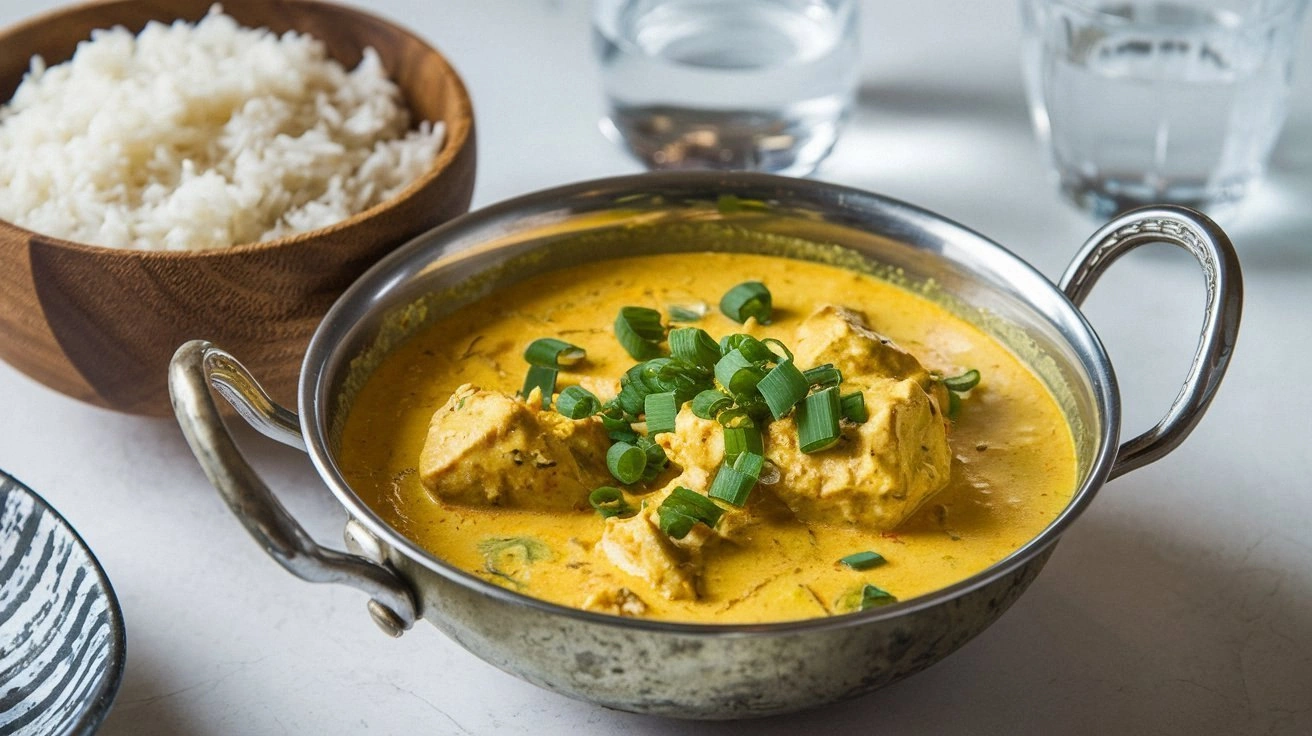
- Serve the korma hot over steamed basmati rice or warm naan bread. Garnish with toasted cashews for an extra crunch if desired. This final presentation turns the dish into a feast for the eyes as well as the palate.
That's it — you did it. But hold on, I've got a few more tricks that'll take this to another level.
Insider Tricks for Flawless Results
The Temperature Rule Nobody Follows
Many cooks think that high heat is the secret to a flavorful korma, but in reality, low and slow is the key. Cooking the chicken at a gentle simmer allows the spices to infuse the meat without drying it out. I once tried a high‑heat method and ended up with a dry, rubbery texture that could have been a joke. The lesson? Keep the heat low, and let the sauce do its work.
Why Your Nose Knows Best
The aroma of your kitchen is a reliable indicator of progress. When the spices release their oils and the onions caramelize, you’ll notice a warm, nutty scent that signals the base is ready. Trust your nose; if the scent feels off, give the sauce a few more minutes to develop.
The 5-Minute Rest That Changes Everything
After removing the korma from heat, let it rest uncovered for five minutes. This resting period allows the flavors to settle and the sauce to thicken slightly. A friend once skipped this step, and the sauce ended up too thin, ruining the mouthfeel. The rest is a small price for a richer experience.
Use Fresh Spices for a Punch
Ground spices lose their potency quickly. Use freshly ground cumin, coriander, and cardamom for a brighter, more vibrant flavor profile. If you’re using pre‑ground spices, add a pinch of fresh ground pepper to revive the heat.
Keep the Chicken Juicy
When searing the chicken, avoid overcrowding the pan. If the pieces crowd, they’ll steam instead of brown, resulting in a less flavorful crust. Cook in batches if necessary, and let the pan heat up between batches.
Creative Twists and Variations
This recipe is a playground. Here are some of my favorite ways to switch things up:
Spicy Saffron Korma
Infuse the sauce with a pinch of saffron strands steeped in warm water, and add a handful of crushed red pepper flakes for an extra kick. The saffron adds a golden hue and a floral aroma that elevates the dish. This version pairs wonderfully with a simple cucumber raita to cool the palate.
Vegetarian Paneer Korma
Replace the chicken with cubes of paneer and sauté them until golden before adding the sauce. The paneer absorbs the creamy mixture, creating a vegetarian delight that still feels indulgent. Serve over basmati rice or with naan.
Low‑Carb Cauliflower Rice Korma
Swap the traditional rice for cauliflower rice to keep the dish low‑carb while maintaining the comforting feel. The cauliflower takes on the rich flavors, and the dish becomes a lighter dinner option. Pair with a side of steamed broccoli for added nutrition.
Gluten‑Free Korma with Polenta
Use polenta instead of naan or rice for a gluten‑free option. The creamy polenta complements the sauce beautifully, creating a hearty meal that’s safe for gluten‑sensitive diners. Add a sprinkle of toasted pumpkin seeds for extra crunch.
Indian Chicken Korma Soup
Reduce the coconut milk to create a light broth, and add diced carrots, peas, and potatoes for a comforting soup. The spices remain bold, but the broth is lighter, making it ideal for a rainy evening. Garnish with fresh cilantro and a drizzle of lime juice.
Smoky Korma with Smoked Paprika
Incorporate smoked paprika into the spice mix for a subtle smoky undertone that adds depth. The smoke pairs well with the sweet coconut milk, creating a complex flavor profile. Serve with a side of roasted sweet potatoes for a balanced meal.
Storing and Bringing It Back to Life
Fridge Storage
Store the korma in an airtight container in the refrigerator for up to three days. The creamy sauce may thicken slightly, but this is normal. When reheating, add a splash of water or milk to restore its silky consistency.
Freezer Friendly
Freeze the korma in portioned containers for up to two months. Thaw overnight in the refrigerator before reheating. The texture remains smooth, and the spices stay vibrant after freezing.
Best Reheating Method
Reheat the korma gently over low heat, stirring frequently. Add a teaspoon of coconut milk or water to loosen the sauce. This method preserves the creaminess and prevents the dish from drying out.