
Shrimp Scampi
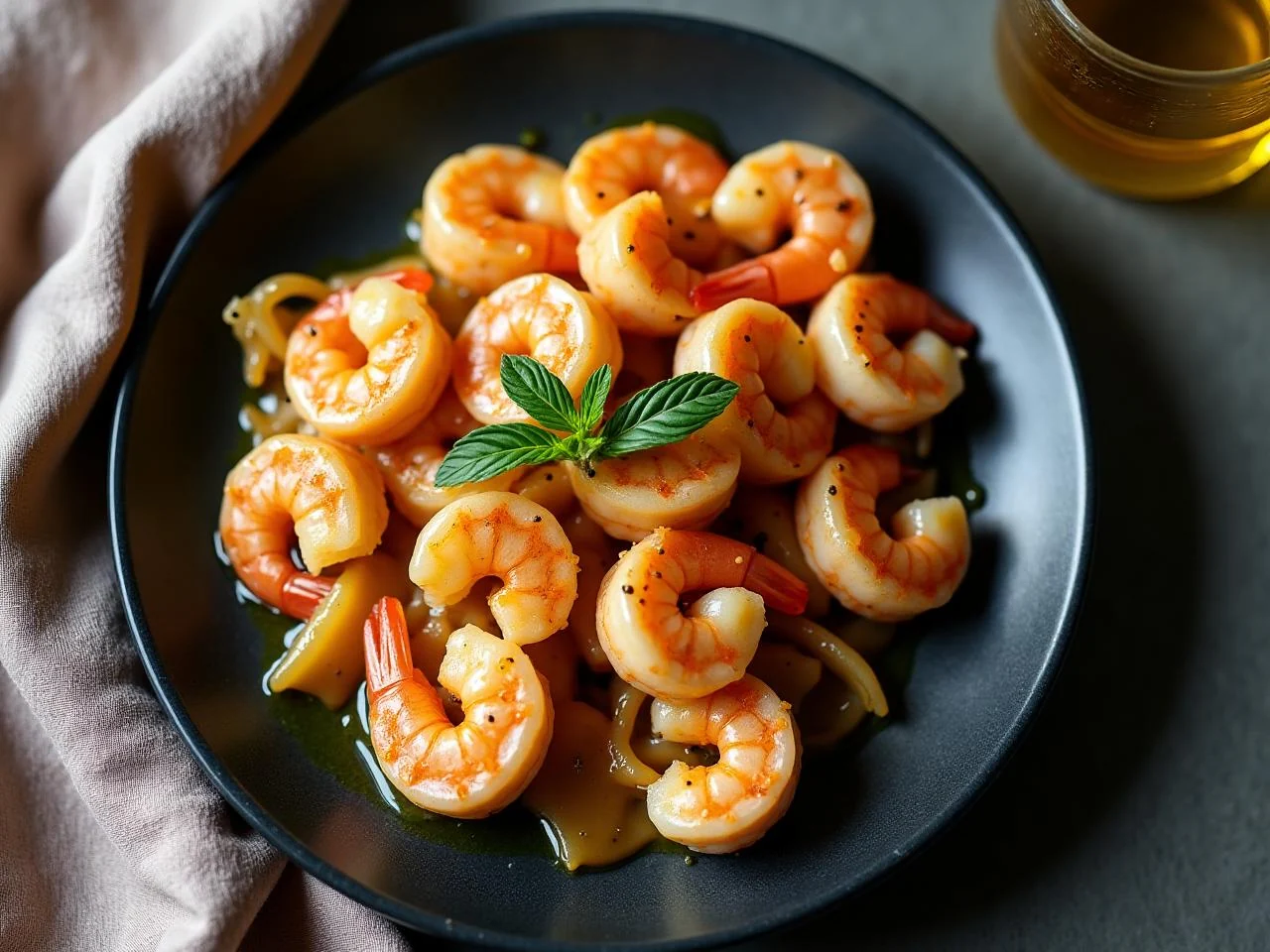
I still remember the first time I made Shrimp Scampi in my tiny kitchen. The smell of garlic and butter filled the air, and the taste was incredible. It was one of those moments when I knew I had found a dish that would become a staple in my household.
As a home cook, I love that Shrimp Scampi is an easy and impressive dish to make. It's perfect for a weeknight dinner or a special occasion. The best part is that it's made with real food and flavor, and it's low in carbs, making it a great option for those following a keto diet.
In this recipe, I'll show you how to make a delicious and flavorful Shrimp Scampi dish using simple ingredients and techniques. Whether you're a seasoned cook or a beginner, you'll be able to follow along and create a dish that's sure to impress.
So, let's get started and explore the world of Shrimp Scampi. With its rich flavors and easy preparation, it's a dish that's sure to become a favorite in your household.
From the initial prep to the final presentation, I'll guide you through each step of the way. We'll cover the importance of using fresh ingredients, the technique of cooking the shrimp to perfection, and the secret to making a delicious and flavorful sauce.
Why You’ll Love This Recipe
- This recipe is easy to make and requires minimal ingredients.
- It's a low-carb and keto-friendly dish, perfect for those following a special diet.
- The flavors are rich and complex, making it a great option for a special occasion.
- The dish can be made in under 30 minutes, making it perfect for a weeknight dinner.
- The recipe is highly customizable, allowing you to add your own favorite ingredients and flavors.
- It's a great way to impress your guests with a delicious and flavorful dish.
Why This Recipe Works
The key to a great Shrimp Scampi dish is in the cooking technique. By using high heat and a small amount of oil, we can achieve a nice sear on the shrimp, which locks in the flavors and textures. The garlic and butter add a rich and creamy element to the dish, while the parsley provides a fresh and herbaceous note.
Another important aspect of this recipe is the use of layers of seasoning. By adding salt, pepper, and lemon juice at different stages of the cooking process, we can build a deep and complex flavor profile that elevates the dish to the next level.
Finally, the resting time is crucial in allowing the flavors to meld together and the shrimp to absorb all the juices. This step may seem simple, but it makes a big difference in the final result.
Ingredients You’ll Need
To make this delicious Shrimp Scampi dish, you'll need a few simple ingredients. The key is to use fresh and high-quality ingredients, such as wild-caught shrimp, fresh parsley, and real butter. You'll also need some basic pantry staples, like garlic, salt, and pepper.
When shopping for the ingredients, be sure to choose the best quality you can find. Wild-caught shrimp have a better flavor and texture than farmed shrimp, and fresh parsley is essential for adding a bright and fresh note to the dish.
- 1 lb (450g) large shrimp, peeled and deveinedWild-caught shrimp have a better flavor and texture than farmed shrimp, so try to use them if possible. If you can't find wild-caught, look for shrimp that are certified as sustainably sourced.
- 4 tablespoons (55g) unsalted butterUsing high-quality butter is essential for this recipe, as it will add a rich and creamy flavor to the dish. Look for a European-style butter with a high fat content for the best results.
- 2 cloves garlic, mincedFresh garlic is essential for this recipe, so try to use it instead of jarred or powdered garlic. You can mince the garlic using a press or a chef's knife.
- 1/4 cup (15g) chopped fresh parsleyFresh parsley is a key ingredient in this recipe, as it adds a bright and fresh note to the dish. Look for parsley with fresh, green leaves and avoid wilted or browned parsley.
- 2 tablespoons freshly squeezed lemon juiceUsing freshly squeezed lemon juice is essential for this recipe, as it will add a bright and citrusy flavor to the dish. Avoid using bottled lemon juice, as it can have a bitter flavor.
- 1/2 teaspoon kosher saltKosher salt is a mild, flaky salt that is perfect for seasoning the shrimp and the sauce. Look for a high-quality kosher salt that is free of additives and preservatives.
- 1/4 teaspoon black pepperFreshly ground black pepper is essential for this recipe, as it will add a sharp and peppery flavor to the dish. Look for a high-quality peppercorn that is free of additives and preservatives.
- 2 tablespoons (30g) white wineUsing a dry white wine is essential for this recipe, as it will add a rich and complex flavor to the sauce. Look for a wine with a high acidity, such as Sauvignon Blanc or Pinot Grigio.
- 1 tablespoon (15g) grated Parmesan cheeseUsing a high-quality Parmesan cheese is essential for this recipe, as it will add a rich and nutty flavor to the dish. Look for a cheese that is aged for at least 12 months for the best results.
- Salt and pepper to tasteThis is where you can adjust the seasoning to your taste. Add more salt, pepper, or lemon juice to taste, and don't be afraid to experiment with other seasonings, such as red pepper flakes or chopped fresh herbs.
Equipment You’ll Need
How to Make Shrimp Scampi
- 1Rinse the shrimp under cold water and pat them dry with paper towels. This will help remove any excess moisture and prevent the shrimp from steaming instead of searing.
- 2Heat 2 tablespoons of butter in the large skillet over medium-high heat. Once the butter has melted and started to foam, add the garlic and cook for 1-2 minutes, until fragrant.
- 3Add the shrimp to the skillet and cook for 2-3 minutes per side, until they are pink and cooked through. Use the instant-read thermometer to check the internal temperature of the shrimp, which should be 145 F (63 C).
- 4Remove the shrimp from the skillet and set them aside on a plate. Reduce the heat to medium and add the white wine to the skillet, scraping up any browned bits from the bottom.
- 5Add the lemon juice, parsley, salt, and pepper to the skillet and stir to combine. Bring the sauce to a simmer and cook for 2-3 minutes, until it has reduced slightly and thickened.
- 6Add the remaining 2 tablespoons of butter to the skillet and stir until melted. This will help to enrich the sauce and add a creamy texture.
- 7Return the shrimp to the skillet and toss them in the sauce to coat. Cook for an additional 1-2 minutes, until the shrimp are well coated and heated through.
- 8Remove the skillet from the heat and stir in the Parmesan cheese. This will help to add a rich and nutty flavor to the dish.
- 9Taste and adjust the seasoning as needed. You can add more salt, pepper, or lemon juice to taste, and don't be afraid to experiment with other seasonings, such as red pepper flakes or chopped fresh herbs.
- 10Serve the shrimp immediately, garnished with additional parsley and lemon wedges if desired. You can serve the dish with a side of pasta, rice, or vegetables, or enjoy it on its own as a light and flavorful meal.
Expert Tips
- Make sure to use fresh and high-quality ingredients, such as wild-caught shrimp and real butter, to get the best flavor and texture.
- Don't overcook the shrimp, as they can become tough and rubbery. Use the instant-read thermometer to check the internal temperature and remove them from the heat when they reach 145 F (63 C).
- Add the garlic and lemon juice to the skillet at the right time, as they can burn or become bitter if cooked for too long.
- Use a high-quality white wine that is dry and crisp, as it will add a rich and complex flavor to the sauce.
- Don't be afraid to experiment with other ingredients and seasonings, such as red pepper flakes or chopped fresh herbs, to add more flavor and depth to the dish.
- Serve the dish immediately, as the sauce will thicken and the flavors will meld together as it cools.
- Consider serving the dish with a side of pasta, rice, or vegetables, such as zucchini or bell peppers, to add more texture and flavor to the meal.
Common Mistakes to Avoid
- Overcooking the shrimp, which can make them tough and rubbery.
- Not using fresh and high-quality ingredients, which can result in a bland and unappetizing dish.
- Adding too much garlic or lemon juice, which can overpower the other flavors in the dish.
- Not stirring the sauce enough, which can cause it to stick to the bottom of the skillet and become too thick.
- Not serving the dish immediately, which can cause the sauce to thicken and the flavors to meld together in an unappetizing way.
- Not using a high-quality white wine, which can result in a sauce that is bland and uninteresting.
Variations and Substitutions
- Add some diced onions or shallots to the skillet with the garlic for added flavor and texture.
- Use different types of cheese, such as Asiago or Romano, to add a unique flavor to the dish.
- Add some chopped fresh herbs, such as parsley or basil, to the sauce for added flavor and freshness.
- Use different types of protein, such as chicken or scallops, to create a unique and delicious dish.
- Add some spicy red pepper flakes to the sauce for an extra kick of heat.
- Serve the dish with a side of roasted vegetables, such as asparagus or Brussels sprouts, for a healthy and flavorful meal.
What to Serve With Shrimp Scampi
This dish is perfect for serving with a side of pasta, rice, or vegetables. You can also serve it with a simple green salad or a side of garlic bread for a more substantial meal.
Some other options for serving the dish include:
Roasted vegetables, such as asparagus or Brussels sprouts, which add a healthy and flavorful element to the meal.
Grilled or sautéed vegetables, such as zucchini or bell peppers, which add a smoky and savory flavor to the dish.
A simple green salad, which provides a light and refreshing contrast to the rich and flavorful shrimp.
Make-Ahead, Storage, Freezing and Reheating
This dish can be made ahead of time and stored in the refrigerator for up to 24 hours. Simply cook the shrimp and sauce, then let it cool to room temperature before refrigerating or freezing.
To reheat the dish, simply place it in the skillet over low heat and stir until warmed through. You can also reheat it in the microwave, but be careful not to overcook the shrimp.
The dish can also be frozen for up to 3 months. Simply place it in an airtight container or freezer bag and store it in the freezer. To reheat, simply thaw the dish overnight in the refrigerator, then reheat it in the skillet or microwave as desired.
Some tips for storing and reheating the dish include:
Letting it cool to room temperature before refrigerating or freezing, which helps to prevent the growth of bacteria and other microorganisms.
Storing it in an airtight container or freezer bag, which helps to keep the dish fresh and prevent it from drying out.
Reheating it gently, which helps to prevent the shrimp from becoming tough and rubbery.
Frequently Asked Questions
What type of shrimp should I use for this recipe?
Wild-caught shrimp are the best option for this recipe, as they have a better flavor and texture than farmed shrimp. Look for shrimp that are certified as sustainably sourced and have a low mercury content.
Can I use frozen shrimp for this recipe?
Yes, you can use frozen shrimp for this recipe. Simply thaw them according to the package instructions and pat them dry with paper towels before using.
What type of white wine should I use for this recipe?
A dry and crisp white wine, such as Sauvignon Blanc or Pinot Grigio, is the best option for this recipe. Avoid using a sweet or oaky wine, as it can overpower the other flavors in the dish.
Can I make this recipe ahead of time?
Yes, you can make this recipe ahead of time. Simply cook the shrimp and sauce, then let it cool to room temperature before refrigerating or freezing.
How do I store and reheat the dish?
The dish can be stored in the refrigerator for up to 24 hours or frozen for up to 3 months. To reheat, simply place it in the skillet over low heat and stir until warmed through, or reheat it in the microwave.
What are some variations I can make to the recipe?
Some variations you can make to the recipe include adding diced onions or shallots, using different types of cheese, or adding some spicy red pepper flakes to the sauce. You can also serve the dish with a side of roasted or sautéed vegetables for a more substantial meal.
Can I use different types of protein for this recipe?
Yes, you can use different types of protein for this recipe. Some options include chicken, scallops, or even tofu. Simply adjust the cooking time and seasonings accordingly.
How do I prevent the shrimp from becoming tough and rubbery?
To prevent the shrimp from becoming tough and rubbery, make sure to not overcook them. Use the instant-read thermometer to check the internal temperature, and remove them from the heat when they reach 145 F (63 C).
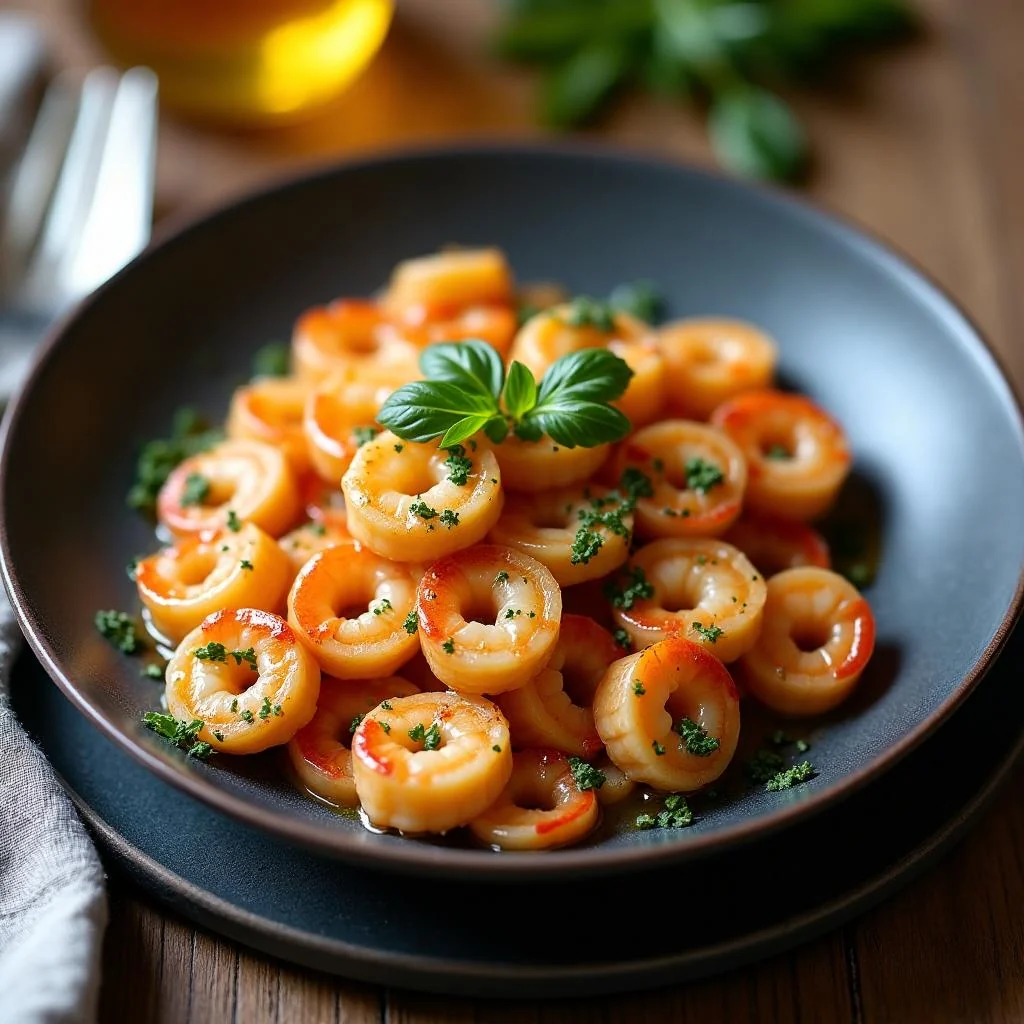
Ingredients
- 1 lb (450g) large shrimp, peeled and deveined
- 4 tablespoons (55g) unsalted butter
- 2 cloves garlic, minced
- 1/4 cup (15g) chopped fresh parsley
- 2 tablespoons freshly squeezed lemon juice
- 1/2 teaspoon kosher salt
- 1/4 teaspoon black pepper
- 2 tablespoons (30g) white wine
- 1 tablespoon (15g) grated Parmesan cheese
- Salt and pepper to taste
Instructions
- Rinse the shrimp under cold water and pat them dry with paper towels. This will help remove any excess moisture and prevent the shrimp from steaming instead of searing.
- Heat 2 tablespoons of butter in the large skillet over medium-high heat. Once the butter has melted and started to foam, add the garlic and cook for 1-2 minutes, until fragrant.
- Add the shrimp to the skillet and cook for 2-3 minutes per side, until they are pink and cooked through. Use the instant-read thermometer to check the internal temperature of the shrimp, which should be 145 F (63 C).
- Remove the shrimp from the skillet and set them aside on a plate. Reduce the heat to medium and add the white wine to the skillet, scraping up any browned bits from the bottom.
- Add the lemon juice, parsley, salt, and pepper to the skillet and stir to combine. Bring the sauce to a simmer and cook for 2-3 minutes, until it has reduced slightly and thickened.
- Add the remaining 2 tablespoons of butter to the skillet and stir until melted. This will help to enrich the sauce and add a creamy texture.
- Return the shrimp to the skillet and toss them in the sauce to coat. Cook for an additional 1-2 minutes, until the shrimp are well coated and heated through.
- Remove the skillet from the heat and stir in the Parmesan cheese. This will help to add a rich and nutty flavor to the dish.
- Taste and adjust the seasoning as needed. You can add more salt, pepper, or lemon juice to taste, and don't be afraid to experiment with other seasonings, such as red pepper flakes or chopped fresh herbs.
- Serve the shrimp immediately, garnished with additional parsley and lemon wedges if desired. You can serve the dish with a side of pasta, rice, or vegetables, or enjoy it on its own as a light and flavorful meal.